

Literacies for Life and Career are the enduring skills that make the full value of an Arts & Sciences education more tangible.
WashU’s liberal arts and sciences curriculum helps students develop broad knowledge and expansive intellectual capacities through the study of human society, culture, and thought and of the physical and biological worlds. By engaging deeply with disciplines in the natural sciences, social sciences, and humanities, students develop a critical set of skills indispensable to their future lives as leaders, innovators, and citizens of the world. The Literacies for Life and Career (LLC) comprehensive curricular and advising initiative helps students articulate and reflect on these skills gained in their Arts & Sciences coursework.
At its heart, LLC is an integrated approach to teaching and advising that prepares students to communicate the value of their liberal arts and sciences education, which exceeds the content of any discipline or major.
upcoming
events
See More Events


Q&A: Andrew Butler named co-director of Literacies for Life and Career
Literacies for Life and Career has selected one of its longtime faculty collaborators to join its leadership team. Andrew C. Butler, a professor of education and of psychological and brain sciences, has joined Erin McGlothlin, vice dean of undergraduate affairs, as a co-director of the program.
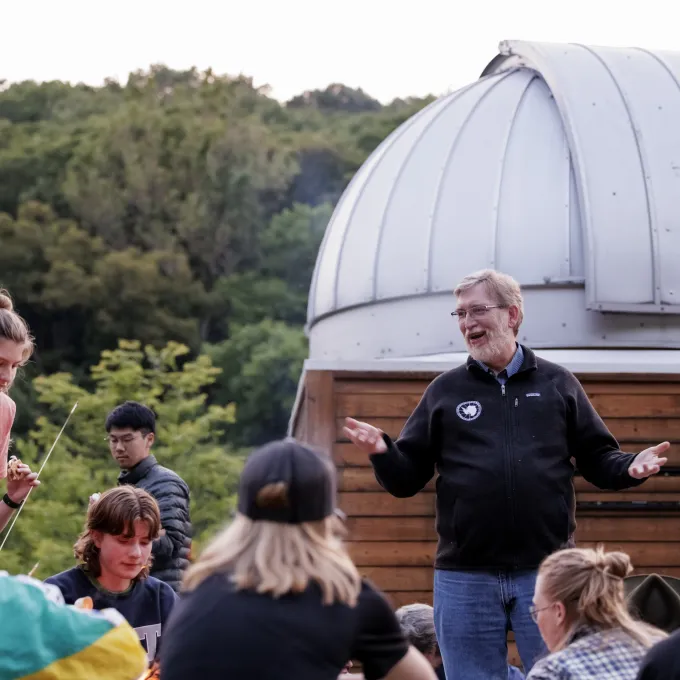
Literacies for Life and Career: Reframing the Liberal Arts and Sciences Curriculum
Literacies for Life and Career helps students cultivate cognitive abilities, problem-solving competencies, and interpersonal skills necessary to navigate a workplace increasingly shaped by generative artificial intelligence.
Faculty designate 1-3 literacies for each undergraduate course, which they augment in course objectives, assignments, and assessments
Advisors provide students with structured exercises to articulate their acquisition of literacies
Students build the literacies into their self-narrative to inform their life and career objectives
Literacies for Life and Career aims to better prepare students to meet challenges they will face not only in the workplace but also in their engagement with critical sectors of society by helping them to develop into informed, responsible, and ethical agents.
―Erin McGlothlin Vice Dean of Undergraduate Affairs, College of Arts & Sciences